.png)
.jpg)
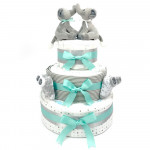

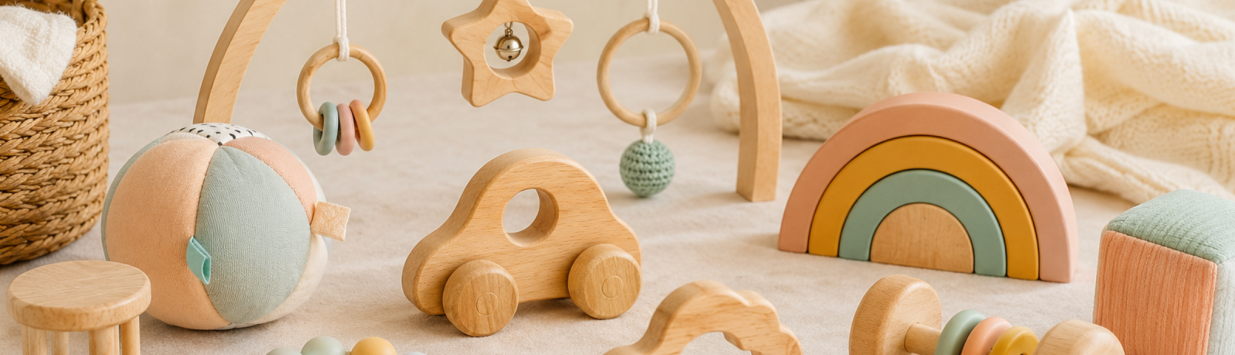
During the golden developmental window from birth to around 6 months, suitable baby toys not only help stimulate vision, hearing and touch in multiple ways, but can also be thoughtfully included in a well‑curated BB hamper so parents can prepare age‑appropriate toys more systematically for their little one. These toys support a sense of security and strengthen parent–child bonding, turning everyday interactions into joyful learning moments and having a lasting positive impact on the baby’s future attention span, curiosity and overall learning development.
Basic Categories of Baby Clothing
Although newborn baby clothing seems to come in many styles, it can broadly be divided into three main categories when viewed from a functional and usage perspective: innerwear, outerwear and accessories. Innerwear includes kimono tops, short tops and bodysuits, where the key feature is an open‑front design that makes dressing and undressing easier. This avoids forcing clothes over the baby’s head and prevents excessive pressure marks around the tummy and limbs, making such designs suitable for the newborn stage when nappies are changed frequently and babies need regular cleaning. Outerwear includes butterfly rompers, all‑in‑one suits and footed sleepsuits, which mainly serve as outer layers for warmth and wind protection. These pieces must take into account the fit around the neck, sleeves and legs, ensuring they do not dig into the skin or restrict movement. Accessories include hats, swaddle blankets and bibs, which can be added or removed according to the weather and environment.
Tips for Choosing Baby Clothing Sizes
When choosing sizes for newborn clothing, one of the most common questions parents have is whether to decide based on age in months or the baby’s weight. In shops, baby clothes are often labelled by age ranges such as 0–3 months or 3–6 months, but this can easily lead to clothes being too small or too large. It is therefore better for parents to select sizes according to the baby’s actual weight and build.
At the same time, babies grow quickly, and newborn clothing is usually worn only for a short period. As a result, many families in Hong Kong prefer to “reuse for newborns”, gratefully accepting second‑hand clothes from relatives and friends. This approach is both environmentally friendly and economical, and helps avoid buying too many brand‑new pieces in the smallest sizes, which may only be worn once or twice before they have to be stored away or donated. For gift‑givers, it is often more practical to choose sizes from around 3 months and up, so as not to duplicate the newborn clothes that parents have already prepared. This also allows babies to continue using the gifted clothing when they grow a little older.
Fabric and Safety of Baby Clothing
When choosing baby clothes, fabric and safety should always take precedence over prints and patterns. Newborn skin is delicate and easily irritated by fibres or chemical residues in clothing. As such, newborn garments should ideally be made from 100% cotton fabrics that are breathable, soft and low‑irritant. Hong Kong’s humid climate and the frequent use of air‑conditioning in many homes mean that clothing must also have good moisture‑absorbing and breathability properties. Parents should pay attention to loose threads, buttons, zips and decorative elements, avoiding poor stitching or sharp edges that may scratch the baby’s skin.
In addition, many parents believe that “brand‑new clothes may contain chemical substances, so they’re not necessarily better”. They tend to wash new clothes thoroughly with baby‑safe detergent, soak them several times and then air‑dry them before use, in order to reduce potential chemical residues from the manufacturing process. By comparison, older clothes that have been passed down from relatives and friends have usually been washed multiple times, so the risk of harmful substances is often lower. As long as these garments are clean and in good condition, they can be very practical for the newborn stage and make excellent gifts.
Seasonal Layering for Hong Kong Weather
Hong Kong’s weather is humid and warm, while indoor air‑conditioning is often strong all year round. Therefore, dressing newborns needs to take into account not only the season but also indoor‑outdoor temperature differences. “Onion‑style” layering is generally recommended over relying on a single thick garment. In summer, thin, breathable and sweat‑absorbing baby clothes are preferable to avoid discomfort caused by heat. In winter or in environments with stronger air‑conditioning, parents can consider long‑sleeve rompers, thicker kimono tops or lightweight jackets. During spring and autumn, when temperatures can change quickly, it is best to prepare versatile styles that can be easily added or removed according to the temperature. For gift‑giving, baby hampers featuring neutral, seasonless newborn clothing are more likely to suit different families’ needs and remain practical regardless of the time of year.
THE GIFT Baby Hamper Recommendations
For those who wish to give a gift that is both elegant and practical, baby hampers that combine newborn clothing, blankets, bibs and other essentials can offer a substantial and well‑rounded present. As a brand dedicated to providing refined hampers for Hong Kong customers, THE GIFT’s baby hampers place equal emphasis on stylish presentation, practicality and fabric safety. With strict quality control in the selection of items and professional delivery services, gift‑givers can be confident that they are ensuring both safety and aesthetics while enjoying the convenience of one‑stop ordering and door‑to‑door delivery.
Ultimate Royal Devotion Baby Hamper
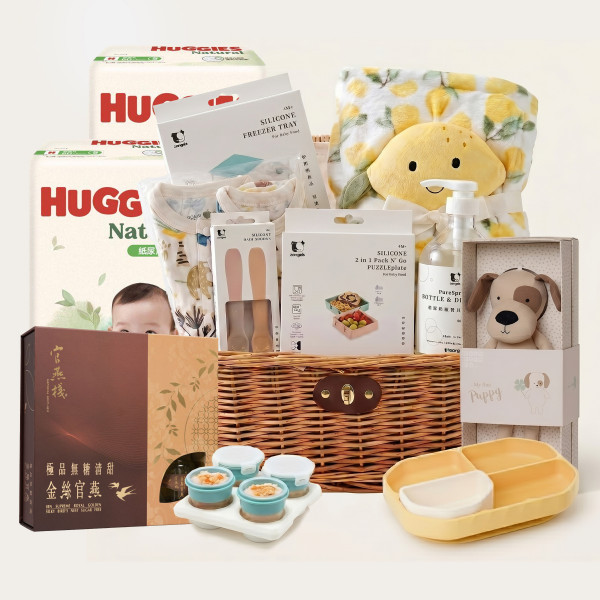
Ultimate Royal Devotion Baby Hamper features Apple Park Organic Cotton Long Sleeve Footie and Essential Onesie, made from soft, breathable organic cotton that is gentle on a baby’s delicate skin. It also includes a Hudson Baby Plush Blanket with Plush Toy and a Jabadabado Animal Plush Gift Box to accompany little ones into warm, cozy sleep. In addition, Imperial Supreme Royal Golden Silky Bird’s Nest Sugar Free and the complete 2angels premium silicone weaning system are thoughtfully included, taking care of the new mother’s postnatal nourishment while supporting the baby’s future feeding needs. Together with a full case of Huggies Natural Baby Diapers, this flagship hamper offers comprehensive care for both mother and baby.
Pipper Standard Baby Home Essentials Hamper
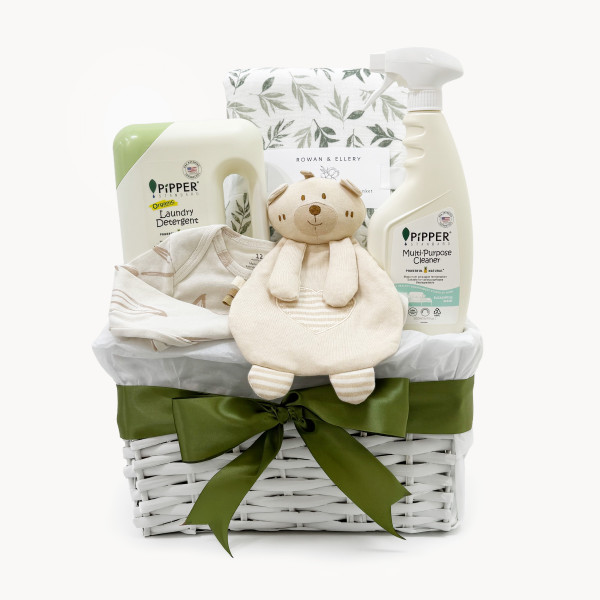
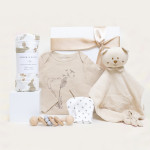
Pipper Standard Baby Home Essentials Hamper focuses on natural, pineapple‑enzyme‑based cleaning products from Pipper Standard, including Multipurpose Cleaner and Laundry Detergent Lemongrass 900ml. Using plant‑based fermentation technology, these cleaners effectively break down stains while reducing exposure to strong chemical ingredients that may irritate babies or sensitive skin, offering gentle yet efficient cleaning solutions for clothing, baby items and home surfaces. Complemented by the Rowan & Ellery 4 Layers Muslin Baby Swaddle Blanket with Embroidered Edge, Kakiblin Organic Cotton Doll Blankie with Crinkle Paper and Hudson Childrenswear Cotton Long‑Sleeve Bodysuits, the hamper provides soft bedding, soothing toys and comfortable clothing that together create a safe, cosy environment for a baby’s growth.
Pink Blessing Baby Gift Set
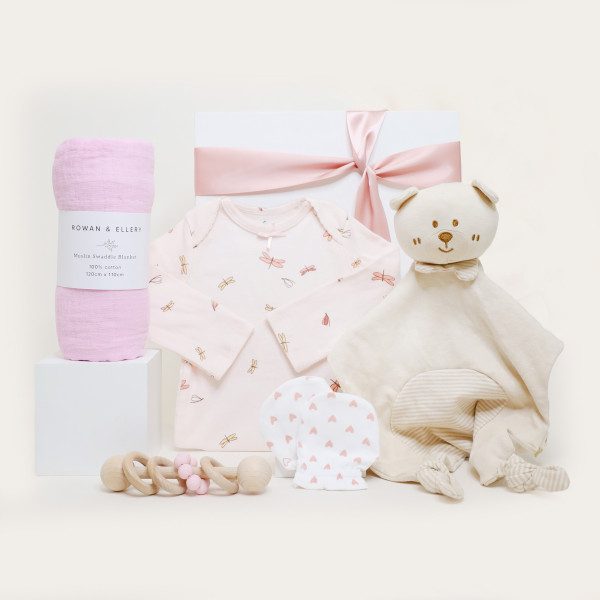
Pink Blessing Baby Gift Set uses soft pink tones paired with practical baby essentials to present warm, delicate blessings for a newborn girl. The set includes a Kakiblin Organic Cotton Security Blanket, with a gentle texture suitable for comforting the baby during sleep or outings, and a breathable Rowan & Ellery Baby Muslin Swaddle that can serve as a swaddle, blanket or nursing cover, offering high versatility. Kiddiezoom Baby No‑Scratch Mittens or the Rowan & Ellery Baby Handband add extra protection and style, while the Rowan & Ellery Natural Beechwood Rattle supports early motor skill development. Paired with Hudson Childrenswear Cotton Long‑Sleeve Bodysuits, this gift set simultaneously addresses daily wear and soothing companionship, making it a sweet and thoughtful choice for families with newborn babies.
FAQ
Do newborn babies need all‑new clothes?
Not necessarily. For many Hong Kong families, second‑hand clothes in good condition that have been properly washed, or items passed down from relatives and friends, often feel more reassuring. Because newborns have sensitive skin, families tend to focus more on whether clothes are soft, have been washed multiple times and show no obvious loose threads or wear. In contrast, if brand‑new clothes are worn without being washed first, any residues from production may increase irritation risk. The key issue is not whether clothes are new or old, but whether they are safe, clean and suitable for newborn use.
How should clothing styles change after 3 months?
Once a baby reaches around 3 months of age, their activity level is usually higher than during the newborn stage, and clothing can gradually shift from kimono tops and butterfly rompers towards bodysuits and all‑in‑one outfits. These styles cover the tummy more securely and are better suited for everyday movement and outings. In homes where air‑conditioning is frequently used, parents may still keep a few lightweight kimono tops as inner layers. For gift‑givers, choosing slightly larger, neutral styles is generally more practical than garments that only fit the newborn period, and they are more likely to be used regularly.
What should be the top priorities when buying baby clothes?
The most important aspects when buying baby clothes are fabric quality, safety and size. For newborns, it is best to choose soft, breathable, low‑irritant fabrics and avoid excessive decorations, rough seams or unstable fastenings. As for sizing, parents should base their choices on the baby’s actual build rather than age in months alone. When giving clothes as gifts, simple, practical designs usually appeal more than very elaborate styles, as they are easier to match with other items and more likely to be worn frequently.