




.png)
.jpg)

Newborn Baby Nutrition: Formula vs Solid Foods
For newborn babies, adequate and balanced nutrition is the foundation for future growth, development and immunity. Parents often feel uncertain when choosing between breast milk and formula, and when to introduce solid foods. This article sorting out the main nutrition sources for newborns, then explains when to begin solid foods, how to prepare them, and how they compare with formula milk. Finally, it recommends THE GIFT baby hampers, making it easier for relatives and friends to support new parents in a practical and thoughtful way.
Newborn Baby Nutrition Sources
In general, the primary nutrition sources for newborn babies are breast milk or infant formula. According to the World Health Organization, if circumstances permit, exclusive breastfeeding for the first 6 months after birth is considered ideal, followed by the introduction of solid foods while continuing to breastfeed to meet ongoing growth needs. When breastfeeding cannot fully align with the mother’s time or situation, infant formula becomes an important alternative, providing babies with energy, protein and a range of essential nutrients to support stable growth.
What Are Solid Foods
When a baby reaches about 4 to 6 months of age, the energy and iron supplied solely by breast milk or formula becomes less able to fully meet the demands of increasingly active growth. At this point, parents should gradually introduce solid foods, also known as complementary foods.
Generally speaking, solid foods refer to foods other than breast milk or formula that are specially designed or prepared for babies, with textures and nutrient profiles suitable for their swallowing and digestive abilities. Examples include smooth rice cereal, vegetable purees, fruit purees, and, at later stages, soft rice, minced meat or tofu. Solid foods are important because, in addition to supplying extra energy and micronutrients such as iron and zinc, they allow babies to learn to chew, train oral muscles and hand‑eye coordination, and gradually build regular eating habits. Exposure to different flavours and textures can also reduce the chance of picky eating in future. The timing for starting solid foods should not be based on age alone. When a baby can hold their head steadily, sit upright with support, show clear interest in adults’ food, and use the tongue to move food towards the throat to swallow rather than automatically pushing it out, it is usually an appropriate time to begin trying solid foods.
Nutritional Roles of Formula Milk and Solid Foods
Between 6 and 12 months of age, breast milk or infant formula remains the most important nutrition source for babies, while solid foods mainly play supplementary and practice roles and cannot yet fully replace milk. Milk provides most of the protein, fat and a portion of vitamins and minerals. Solid foods help increase intake of iron, zinc and dietary fibre, supporting the transition from a purely liquid diet to a more varied solid diet. Therefore, when planning meals, parents can start with a stable milk intake as the foundation, then adjust the amount of solid foods according to the baby’s appetite and weight gain. After 1 year of age, as the digestive system and chewing ability mature, the baby’s daily energy needs are gradually met by three meals and snacks of solid foods, while milk becomes secondary, mainly serving as a source of calcium and some additional nutrients.
How to Prepare Solid Foods
As babies move through different developmental stages, the types and textures of solid foods need to be adjusted according to age. For example, around 6 to 8 months, smooth purees are most suitable; from 8 to 10 months, parents can gradually introduce thicker, slightly textured purees or soft small pieces; after 10 months, babies can slowly transition to soft chopped rice and small pieces of vegetables to train chewing and self‑feeding skills.
The key principles in preparing solid foods are natural, clean and easy to digest. At the beginning, parents can start with rice cereal, carrot puree, pumpkin puree or apple puree, then gradually add meat purees, fish purees and other ingredients. All ingredients must be thoroughly washed and fully cooked, then mashed or blended to an appropriate texture, and salt, sugar and strong seasonings should be avoided. If parents lead busy lives, they may use commercial baby foods as an alternative, but they should still check labels and prioritize more natural products with fewer additives.
Recommended Baby Hampers
Among the many baby hampers available, families who wish to focus on the transition from milk to solid foods can prioritize sets that include both daily baby essentials and solid food tableware. It is advisable to choose tableware sets that are easy to store and convenient for parents to use when going out.
Tiny Foodie & Weaning Discovery Baby Hamper
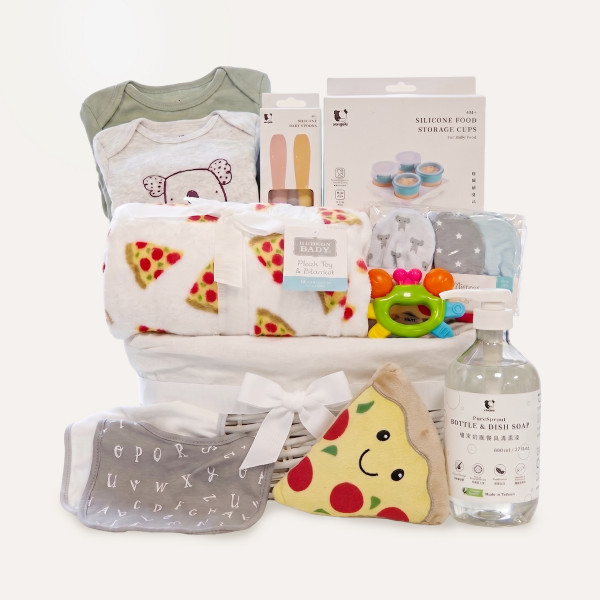
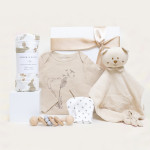
The Tiny Foodie & Weaning Discovery Baby Hamper by THE GIFT strikes a balance between playful design and practical function, making it especially suitable for new parents whose babies are about to enter the solid food stage. This creative hamper features a fun pizza foodie theme and brings together cozy Hudson Baby textiles with the complete 2angels premium silicone feeding system, including silicone storage cups and feeding spoons. This allows parents to portion and store homemade vegetable purees, fruit purees and rice cereal, accompanying babies as they transition from an all‑milk diet to exploring solid foods. Matching comfort items such as the plush comfort blanket, Toyroyal teether, scratch mittens and bibs help meet babies’ needs for daily soothing, oral exploration and skin protection.
Haenim|HN‑04L 4th Generation UV‑LED Sterilizing & Drying Machine
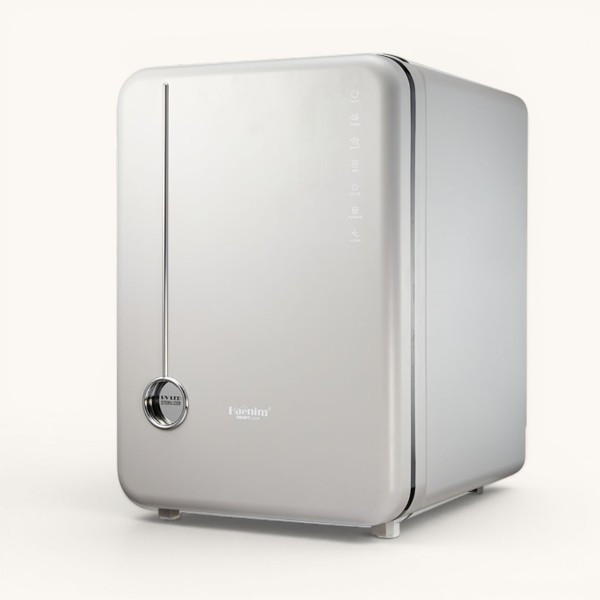
The Haenim|HN-04L 4th Generation UV-LED Sterilizing & Drying Machine from THE GIFT offers new parents a high‑tech solution for hygiene. It adopts powerful UV LED sterilization technology to kill up to 99.9% of common bacteria in just 10 minutes, and features integrated drying and 24‑hour sterile storage functions that simplify cleaning routines. Its extra‑large capacity accommodates up to 16 bottles and accessories, which is particularly convenient for families using both breast milk and formula. As babies enter the solid food stage, more utensils such as feeding spoons, silicone plates and storage cups are added at home. With this disinfection dryer, parents can process different items together, reducing the need for manual washing and boiling and making the entire childcare routine more hygienic and time‑saving.
Pipper Standard Natural & Pure Baby Care Hamper
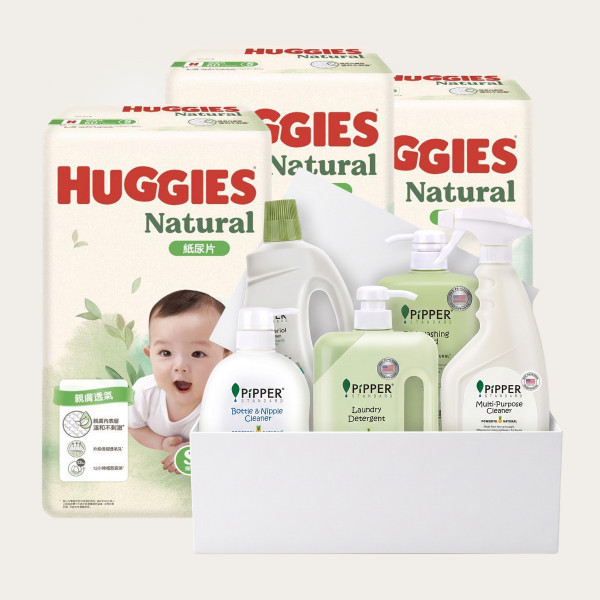
The Pipper Standard Natural Pure Care Hamper by THE GIFT is ideal for new families who care about cleaning ingredients and aim to reduce chemical residues in the home. This hamper is built around the Pipper Standard plant‑based cleaning range, which uses patented pineapple fermentation technology to unleash natural cleaning power such as Bromelain, offering effective yet hypoallergenic cleaning suitable for sensitive skin. By replacing harsh synthetic additives with green technology, the hamper allows parents to embrace a pure, nature‑based cleaning routine.
FAQ
When is the best time to start solid foods?
In general, it is recommended to start introducing solid foods after about 6 months of age, because at this stage babies’ swallowing ability, sitting stability and digestive function are usually better suited to solid foods. However, parents should not rely on age alone; they should also observe whether the baby is interested in food and can sit upright with support. At the beginning, parents should use small portions, single‑ingredient foods and smooth textures, so that babies can adapt gradually.
After starting solid foods, is formula still necessary?
Yes. Breast milk or infant formula remains an important nutrition source for babies aged 6 to 12 months, providing key protein, fat and part of their essential nutrients. Solid foods are mainly used for supplementation and practice, helping increase iron intake and offering diverse food experiences. Using both milk and solids together is more beneficial to the nutrition and development of newborn babies.
What kind of baby hamper is most practical?
If the recipient has a newborn baby at home, the most practical hampers usually include clothing, diapers, feeding supplies and weaning tableware, because these items can be used across different developmental stages. For families just starting to prepare solid foods, hampers that include storage cups, plates or spoons are particularly thoughtful, as they meet everyday needs and help parents gradually build baby menus and feeding routines.